
Kerbside recyclable packaging: Why paper honeycomb leads the way

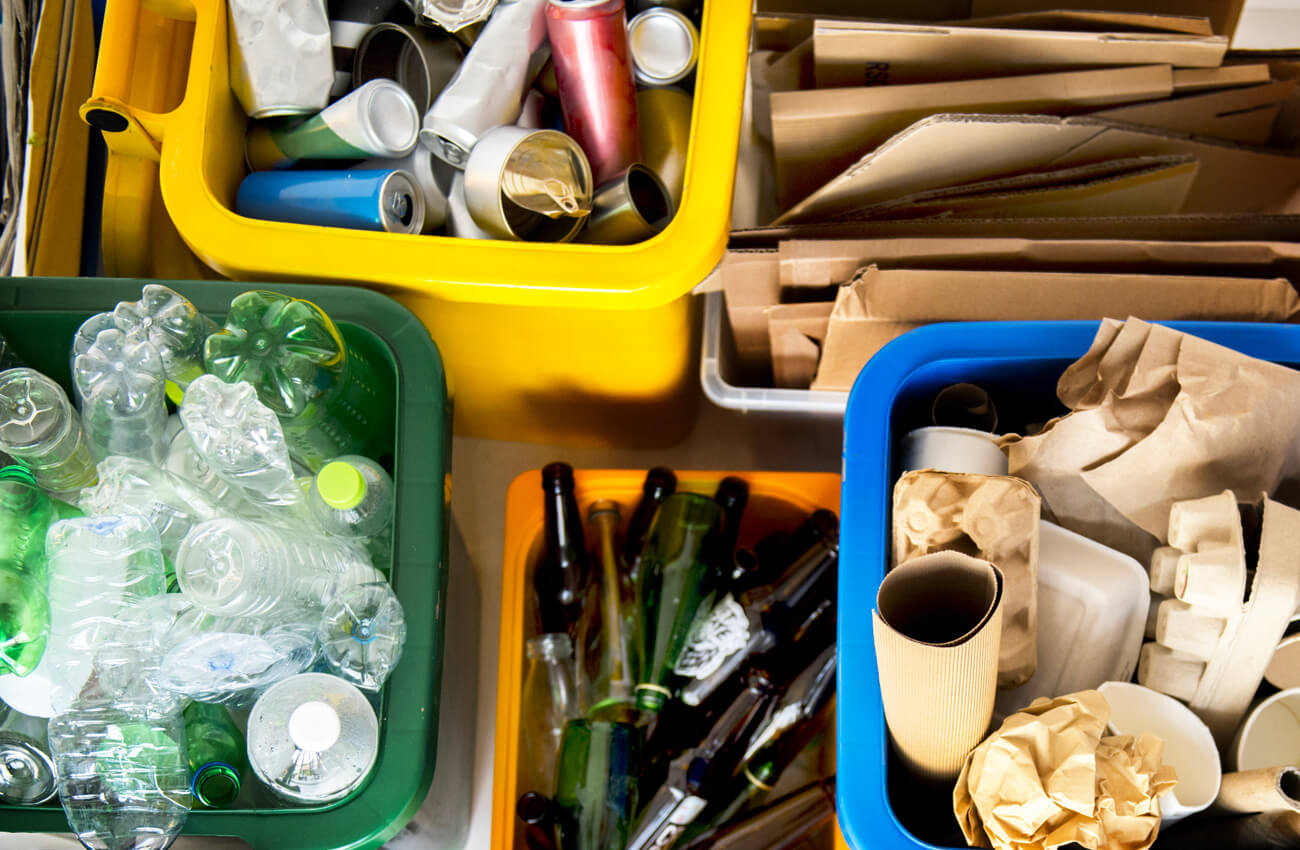
Kerbside recyclable packaging has become a cornerstone of sustainability, providing brands with a practical and scalable way to reduce waste, build consumer trust, and contribute to the circular economy. However, not all recyclable packaging is created equal. What works in theory often fails in practice, especially when materials require special handling or sorting.
That’s where paper-based packaging, particularly paper honeycomb and honeycomb board, excels. These materials offer a rare blend of strength, recyclability, and ease of disposal, and they’re already performing across sectors like furniture packaging, white goods packaging, and eco-friendly food packaging.
This blog examines the rise of kerbside recyclable packaging, the role of paper honeycomb within this movement, and why it’s quickly becoming the sustainable material of choice.
Key takeaways
- Kerbside recyclable packaging is packaging a household can put straight into its normal kerbside recycling collection — no special sorting, drop-off points or separation.
- Much packaging labelled “recyclable” is never actually recycled because it isn’t collected kerbside, is contaminated, or is made of bonded layers that can’t be separated.
- Paper honeycomb is a mono-material, recycled-paper product that goes straight into the household paper stream — and biodegrades if it does end up in general waste, unlike plastic.
- England’s Simpler Recycling reforms (in force from 31 March 2026) standardise kerbside paper and card collection, making paper-based packaging the future-proof choice.
- Paper honeycomb already replaces polystyrene and foam across furniture, white goods and chilled food packaging.
What is kerbside recyclable packaging?
At its core, kerbside recyclable packaging refers to packaging materials that consumers can place in their household recycling bins, with confidence that they’ll be processed correctly. It removes the guesswork and eliminates the need for specialist recycling centres. But not all “recyclable” materials meet this standard. You might be surprised to learn that some require industrial composting or complex sorting that many local authorities simply aren’t equipped for. Paper-based materials, however, especially those designed without plastic coatings or synthetic components, are widely accepted, easily sorted, and efficiently reprocessed. That’s what makes them the gold standard for responsible packaging design.The UK landscape: A push for kerbside consistency
The UK’s kerbside recycling system has historically varied between local councils. Thankfully, though, this is changing.
Under the Government’s Simpler Recycling reforms, all local authorities in England will be required to collect a core set of recyclable materials from homes and businesses by 2026. This includes paper and cardboard, plastic, glass, metal, and food waste, with kerbside plastic film collections to follow by 2027. (gov.uk)
Despite this momentum, the recycling rate for household waste in the UK remains just 44.1% (DEFRA, 2022) and has stagnated somewhat over the last decade. Systemic barriers are the biggest challenges, along with a general lack of education around what’s recyclable and what’s not.
Packaging designed for kerbside recovery, such as paper honeycomb, is crucial for increasing recycling efforts across all regions, regardless of the policies and facilities in place, which can vary significantly between local authorities.
Paper honeycomb and honeycomb board: Built for the circular economy
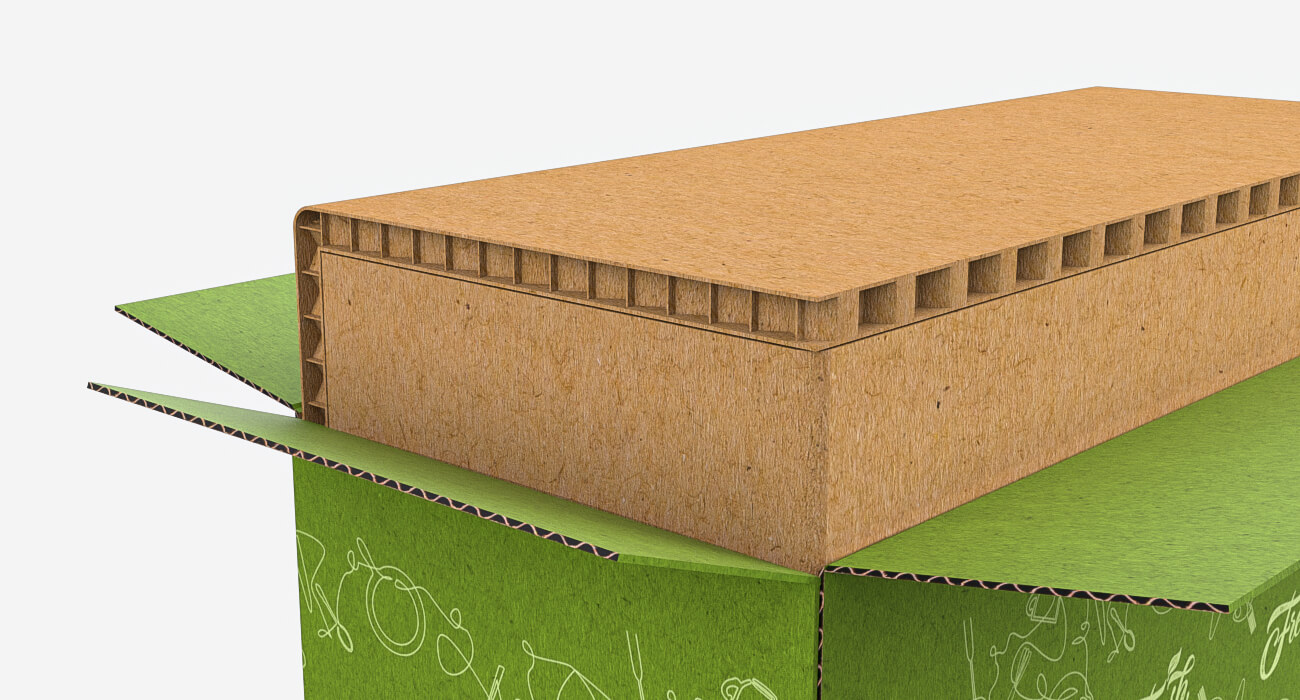
Paper honeycomb is more than a protective insert. It’s a fully engineered, recyclable solution made from recycled paper and water-based adhesives. Its strength comes from its internal hexagonal structure, which mirrors the architecture of natural honeycomb: lightweight, incredibly strong, and remarkably efficient.
It’s also:
- Fully kerbside recyclable across the UK
- Manufactured from FSC-certified paper
- Free from contamination-causing materials like polystyrene or foil
- Biodegradable if not recovered (unlike plastics)
Honeycomb board offers the same benefits, but in flat sheet form. It’s used in applications that require broader surface protection, structural support, or sustainable void fill. It replaces foam sheets, corrugated plastic, and even timber in some packaging and retail applications.
Together, these formats represent a packaging system that’s:
- 100% recyclable through kerbside collections
- Made from UK-sourced materials
- Circular by design – keeping valuable fibre in use
Explore more on our sustainable packaging solutions.
The hidden problem with ‘recyclable’ packaging
Many materials that claim to be recyclable don’t end up being recycled. Why? Because they’re either:
- Not collected by most councils
- Contaminated with food, film, or laminates
- Made from bonded layers that are impossible to separate
This is especially true of plastics and some bioplastics.
According to Eurostat, only 41% of plastic packaging in the EU was recycled in 2021, compared to 83% for paper-based packaging. (Source: Two Sides, 2023)
That’s a huge performance gap, and it reinforces the value of using simple, clean, mono-material paper-based packaging formats like honeycomb, which are recyclable packaging solutions that can be dealt with at the kerbside and don’t require special treatment from the householders’ perspective.
Why polystyrene and compostables fall short for recycling
Polystyrene is still widely used in protective packaging. But it’s:- Not accepted in most kerbside recycling schemes
- Resource-intensive to produce
- Difficult and expensive to recycle
- A persistent pollutant in marine environments
Where paper honeycomb shines
Furniture packaging
Furniture, often large, bulky, and fragile, poses a significant challenge for sustainable packaging. Traditional packaging materials, such as foam and polystyrene, are not only resource-intensive but also challenging to recycle and dispose of safely. Paper honeycomb, however, is the perfect alternative. Its unique structure, mimicking the hexagonal cells of a natural honeycomb, provides strong support and effective cushioning for even the heaviest and most irregularly shaped furniture items. Whether used as corner protectors, edge guards, or inserts, paper honeycomb panels ensure furniture arrives undamaged and in optimal condition.
Additionally, unlike foam and plastic alternatives, paper honeycomb is easily recyclable and biodegradable. Once the furniture has been unpacked, the protective packaging can be placed directly into the kerbside recycling bin, significantly reducing environmental impact. And because minimal material waste is used during production, paper honeycomb is a more eco-friendly option compared to traditional packaging materials. Discover more on our furniture packaging page.


White goods packaging
When it comes to large appliances, such as fridges, washing machines, and ovens, the white goods packaging solution needs to be both robust and sustainable. White goods are notoriously tricky to ship due to their size and weight, often requiring heavy-duty materials like polystyrene for protection during transit. However, paper honeycomb packaging offers a superior alternative by providing shock absorption, structural support, and long-lasting durability – everything plastic alternatives offer, plus that all-important eco-credibility!
The rigid yet lightweight nature of honeycomb paper enables it to absorb impact while maintaining its shape. Additionally, honeycomb packaging can be customised to fit the unique dimensions of appliances, ensuring that the materials provide a secure and sustainable solution. Similar to furniture packaging, the paper honeycomb used for white goods can be easily recycled, reducing the need for disposal in landfills and contributing to a circular economy.


Eco-friendly food packaging
As sustainability becomes a major consideration in the food industry, many companies are making the shift towards reducing plastic waste and introducing eco-friendly food packaging. Leading meal-kit and grocery brands have recognised the potential of paper-based packaging to help them reduce their environmental footprint. Paper honeycomb liners are gaining popularity for protecting food items such as chilled goods and glass bottles.
Honeycomb’s ability to cushion products without the need for additional materials like plastic or foam makes it an ideal choice for food packaging. These inserts are not only efficient in reducing waste, but they are also compatible with standard kerbside recycling programmes. Paper honeycomb is also recyclable at the kerbside, and biodegrades if it ends up in general waste — unlike plastic.


A hypothetical customer journey
Let’s follow ‘Sarah’, a weekly meal kit subscriber. Her box arrives, insulated with paper honeycomb inserts and wrapped in honeycomb board sleeves. She unpacks, cooks, and simply flattens the packaging to place in her kerbside recycling bin. Her local facility collects and bales the paper waste. It’s pulped, cleaned, and remade into fresh paperboard – possibly for more honeycomb packaging. This cycle can repeat up to 25 times, according to Pro Carton (2021), demonstrating the regenerative potential of fibre-based packaging.What makes paper honeycomb kerbside ready?
Two Sides outlines four key factors that make paper packaging truly recyclable. Paper honeycomb checks every box:- Made from a single material (no plastic films or bonded coatings)
- Accepted by kerbside systems across the UK
- Clearly labelled for consumer disposal
- Free from food or oil contamination
(Source: Two Sides Paper Packaging Factsheet, 2023)
Even a large-format honeycomb board is easy to break down or cut, making it manageable for household recycling bins.
Addressing consumer confusion
Many customers want to recycle, but they’re confused about which materials can be reprocessed. Labels like ‘check local recycling’ or ‘compostable’ often raise more questions than they answer.
That’s why brands are turning to mono-material, paper-based formats. They:
- Reduce the need for disposal instructions
- Eliminate the risk of stream contamination
- Create a smoother customer experience
Pair that with On-Pack Recycling Labels (OPRL) or icons from Recycle Now, and your packaging becomes a tool for education, not just protection.

Industry leaders are embracing paper-based, kerbside-ready packaging
The paper-first movement is gaining serious momentum.- Confectionery brands have shifted to paper-based wrappers
- Cereal brands and major supermarkets are trialling fully recyclable liners
- Organic grocery brands are replacing foil-lined plastics with paper-based insulation
- Fruit-and-veg box services dispatch produce in recyclable kraft boxes with paper-based void fill
Simpler recycling: A better future for packaging
As DEFRA’s Simpler Recycling legislation rolls out, brands need to align with a clearer, more consistent system. That means:- Designing for real-world recycling
- Avoiding ‘wishcycling’ materials
- Choosing packaging that fits national guidelines
Working towards a smarter future, one package at a time
Kerbside recyclable packaging isn’t just a passing trend. It’s a critical part of a truly circular economy. And with materials like paper honeycomb, brands can finally deliver high-performance packaging without compromising the planet. From protecting white goods and food boxes to replacing foams and films, honeycomb is leading the shift. It’s renewable, it’s reliable, and it’s ready for the real world, from doorstep to recycling depot.Kerbside recyclable packaging FAQs
What is kerbside recyclable packaging?
Kerbside recyclable packaging is packaging a household can place straight into its normal kerbside recycling collection with no special sorting or drop-off. Paper honeycomb qualifies because it’s mono-material recycled paper that goes into the standard paper stream.
Is paper honeycomb kerbside recyclable across the UK?
Yes. Paper honeycomb is recyclable in standard household paper and card collections nationwide, and England’s Simpler Recycling reforms (from 31 March 2026) standardise those collections further.
What happens if it isn’t recycled?
Because it’s paper rather than plastic, paper honeycomb biodegrades if it ends up in general waste — it doesn’t persist for decades the way polystyrene and plastic do.
Is paper honeycomb better than polystyrene for recyclability?
Yes. Polystyrene isn’t collected kerbside by most councils, so it usually ends up in general waste. Paper honeycomb goes straight into the household paper stream, making it genuinely kerbside recyclable packaging.
Ready to make kerbside recyclable packaging part of your strategy?
Contact the Dufaylite team to find out how our sustainable paper honeycomb products can help you cut waste, reduce costs, and protect the planet.
Want to see the impact for yourself? Explore our case studies to learn how forward-thinking brands like Wild & Cultured are already making the switch to paper honeycomb for kerbside recycling.
Sources
- Two Sides, Paper Packaging Facts Booklet, 2023
- Two Sides Trend Tracker, 2023
- Pro Carton, Recyclability of Cartonboard and Carton, 2021
- Eurostat, Recycling Rate of Packaging Waste, 2021
- gov.uk, Simpler Recycling in England, 2023
- WRAP UK Recycling Data, 2022
- Meal-kit and grocery brand packaging initiatives
Please note: Dufaylite is an active member of Two Sides, an international organisation dedicated to highlighting the environmental benefits of paper, print, and fibre-based packaging. Through collaboration with industry partners, Two Sides helps to correct misconceptions, provide credible facts, and champion sustainable practices across the packaging supply chain.
By supporting this initiative, Dufaylite champions fact-based communication and transparency regarding packaging sustainability. It reflects our ongoing mission to guide brands toward smarter, lower-impact solutions that contribute to a circular economy and a net-zero future.
