
The growing backlash against plastic packaging and what it means for brands, retailers and e-commerce
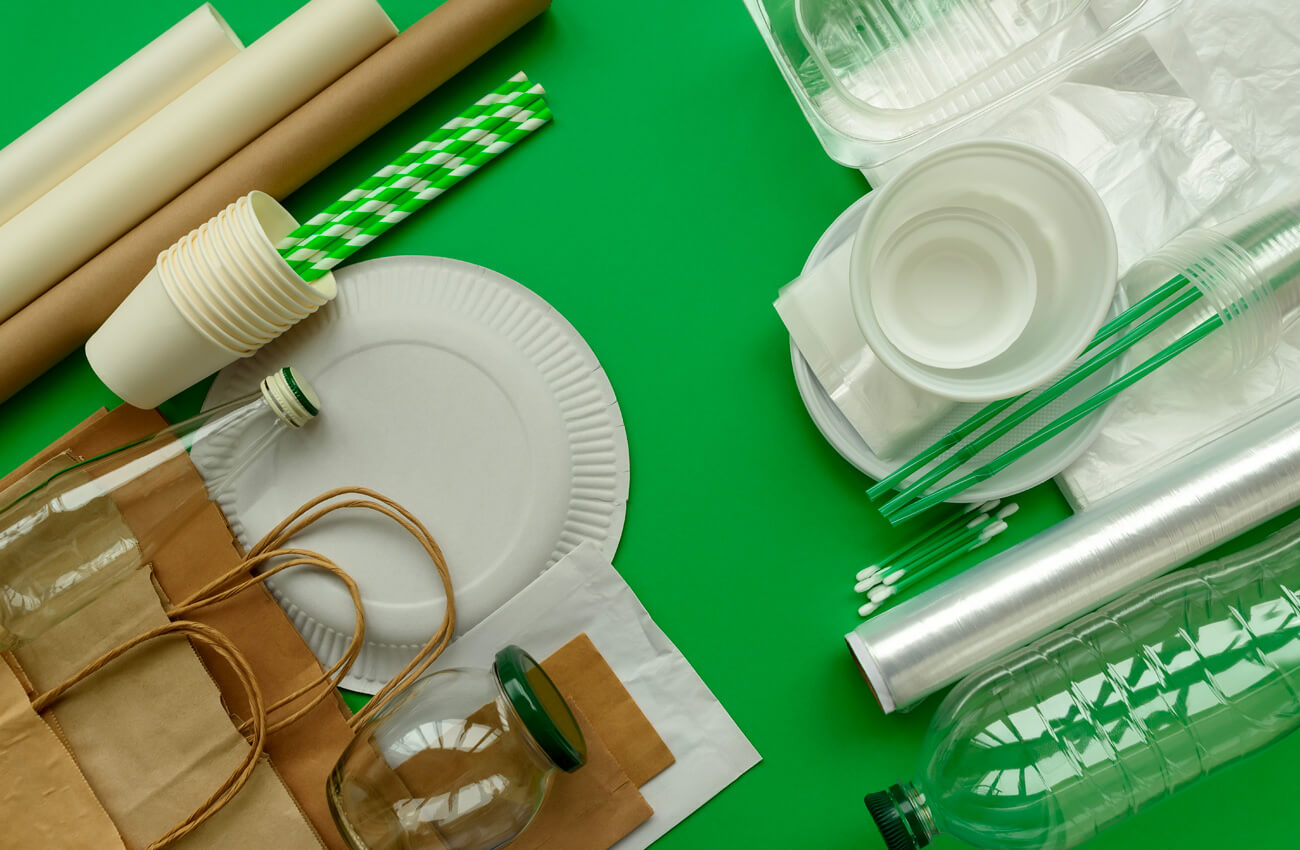
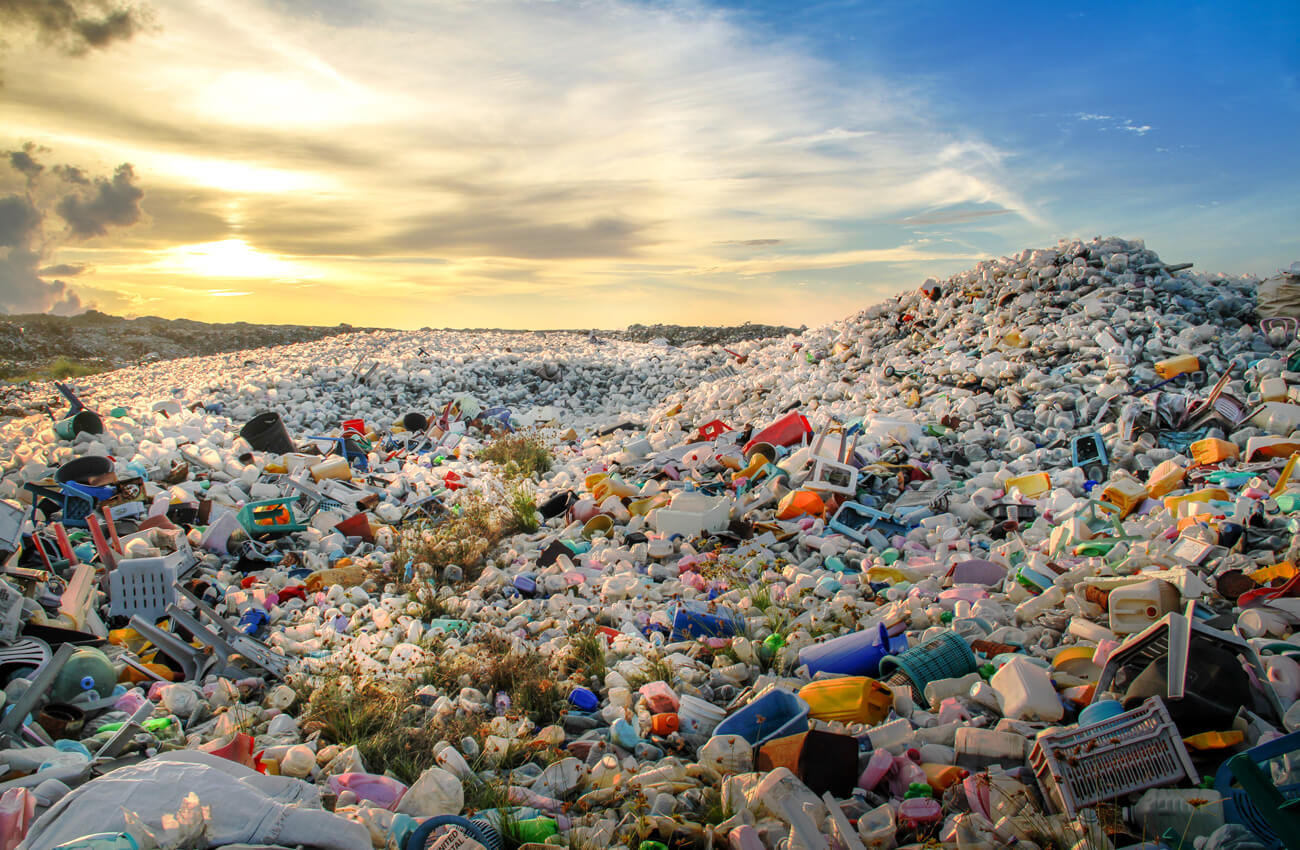
The global conversation has shifted (and rapidly, too). What was once background noise is now a rallying cry. And retailers, brands, and e-commerce operators are feeling the heat to find more sustainable alternatives to what was once an unquestionable industry staple.
In this piece, we break down what’s behind the intensifying anti plastic packaging sentiment, what it means in practical terms for businesses, and, most importantly, how you can respond to changing attitudes strategically, not reactively.
Why is there so much hatred for plastic packaging these days?
For years, concern about plastic waste was the domain of NGOs, documentaries, and scientific reports. But now, it’s not just the environmentalists who are passionate about curbing the damaging effects of plastic use – the wider world has something to say. Consumers, governments, investors, and supply chain partners are all waking up to the real cost of plastic.
As we mentioned in a recent blog outlining 10 shocking plastic packaging statistics, 91% of plastic waste isn’t recycled. Most ends up in landfills or the environment. So much so, that microplastics are now found in our food, air, oceans, and even human blood.
The carbon impact of plastic production can’t be denied, either, because plastic is made from fossil fuels. In 2023, the plastic industry emitted over 850 million metric tonnes of greenhouse gases. These are scary numbers, and without collective action, they’re only set to rise.

Is waste legislation catching up with changing attitudes towards plastic?
The EU, UK, and many local governments are tightening their rules on single-use plastics, extended producer responsibility (EPR), and greenwashing claims. From taxes to outright bans, companies that continue to manufacture and distribute non-compliant plastic packaging could face fines, delistings, or – just as worryingly – public backlash.
In short: if your packaging strategy still leans on plastic, your brand risk is increasing by the day.
How are consumers are shaping the packaging conversation?
Sustainability is no longer optional
Today’s shoppers, especially Gen Z and Millennials, are vocal, values-driven, and more informed than ever. They research, compare, and share. They reward transparency and punish greenwashing tactics. And they’re more likely to buy from brands whose packaging reflects their values.
According to NIQ (formerly Nielsen), 73% of global consumers say they would definitely or probably change their consumption habits to reduce environmental impact – and this includes making sure the businesses they buy from are investing in sustainable packaging choices wherever they can.
Packaging influences brand perception
The unboxing experience isn’t just about aesthetics anymore. It’s a trust-builder. Sustainable, thoughtful packaging tells your audience that you really care about the mark you’re leaving on the planet.
Because your e-commerce orders are often the only physical touchpoint a customer has with your brand, your packaging speaks volumes. Is it recyclable? Is it excessive? Is it aligned with the promises your brand makes?
The domino effect of anti-plastic policies is placing retailers under pressure
Retailers – and especially the big ones – are on the front lines of this shift.
Many are setting strict internal targets to reduce plastic packaging. Others are demanding sustainable alternatives from suppliers as a condition for shelf space or partnership.
For example:
- Tesco now requires packaging to be widely recyclable and plastic-free wherever possible.
- Amazon and other major platforms now penalise “non-frustration-free” packaging – which is often plastic-based – with higher fees or restrictions.
- The UK Plastic Packaging Tax (which came into force in April 2022) now applies to plastic packaging with less than 30% recycled content. The tax rate is charged by the tonne, so fees can begin to quickly stack up for larger non-compliant suppliers.
So, if you’re a supplier or e-commerce seller still relying on bubble wrap, polystyrene, or plastic void fill, you could find your products squeezed out of listings or your methods incurring additional charges.
What are brands actually doing to move away from plastic packaging?
Forward-thinking companies are already making strategic moves.
- Lush Cosmetics has removed plastic from 90% of its packaging and uses compostable paper honeycomb wraps.
- IKEA has pledged to eliminate all plastic packaging by 2028 by switching to paper-based, reusable, or recyclable solutions.
- Nestlé and Unilever are trialling fibre-based alternatives to plastic sachets in emerging markets.
These aren’t fringe changes. They’re part of a systemic pivot, and they’re raising the bar across industries!

Convenience vs responsibility in e-commerce
E-commerce presents a unique packaging challenge. Every item needs protective packaging – but unlike in the old-school retail environment, e-commerce shipments are handled more, travel further, and are expected to be ‘frustration-free’.
This has led to an over-reliance on things like:
- Plastic air pillows
- Polystyrene blocks
- Plastic tape
- Multi-layer laminated pouches
The problem? These materials are rarely recyclable, often excessive, and almost always leave a bad impression.
Fibre-based packaging solutions are viable alternatives to plastic
With e-commerce forecast to reach £250 billion in the UK alone by 2027, it’s vital that sustainable packaging keeps pace. Fortunately, the solutions are now here – and companies aren’t just looking at what they need to remove from their supply chains, they’re ready to explore their options when it comes to replacing damaging plastics.
Why does paper honeycomb packaging work so well?
At Dufaylite, we’ve seen firsthand how paper honeycomb boards are helping e-commerce, retailers, and industrial shippers reduce or eliminate plastic packaging without compromising performance.
Our packaging products are:
- Lightweight but strong: The hexagonal structure provides exceptional crush resistance and shock absorption.
- 100% recyclable: No coatings, no composites, just recyclable paper.
- Cost-effective: Engineered to reduce volumetric weight and shipping costs.
- Totally customisable: Designed to fit any SKU or product type, from glassware to white goods.
- Neat and appealing: Clean lines and natural finishes improve unboxing and brand experience.
Ready to reduce your plastic packaging?
If you’re still dependent on plastic in your packaging system, here’s how to start shifting things in a more sustainable direction.
Audit your current packaging
Ask yourself:
- Where is plastic still used?
- Is it necessary for function, or just habit?
- Can you consolidate formats?
Focus on three functional elements to begin with
- Protection is key. Replace plastic void fill with honeycomb inserts, paper pads, or die-cut board.
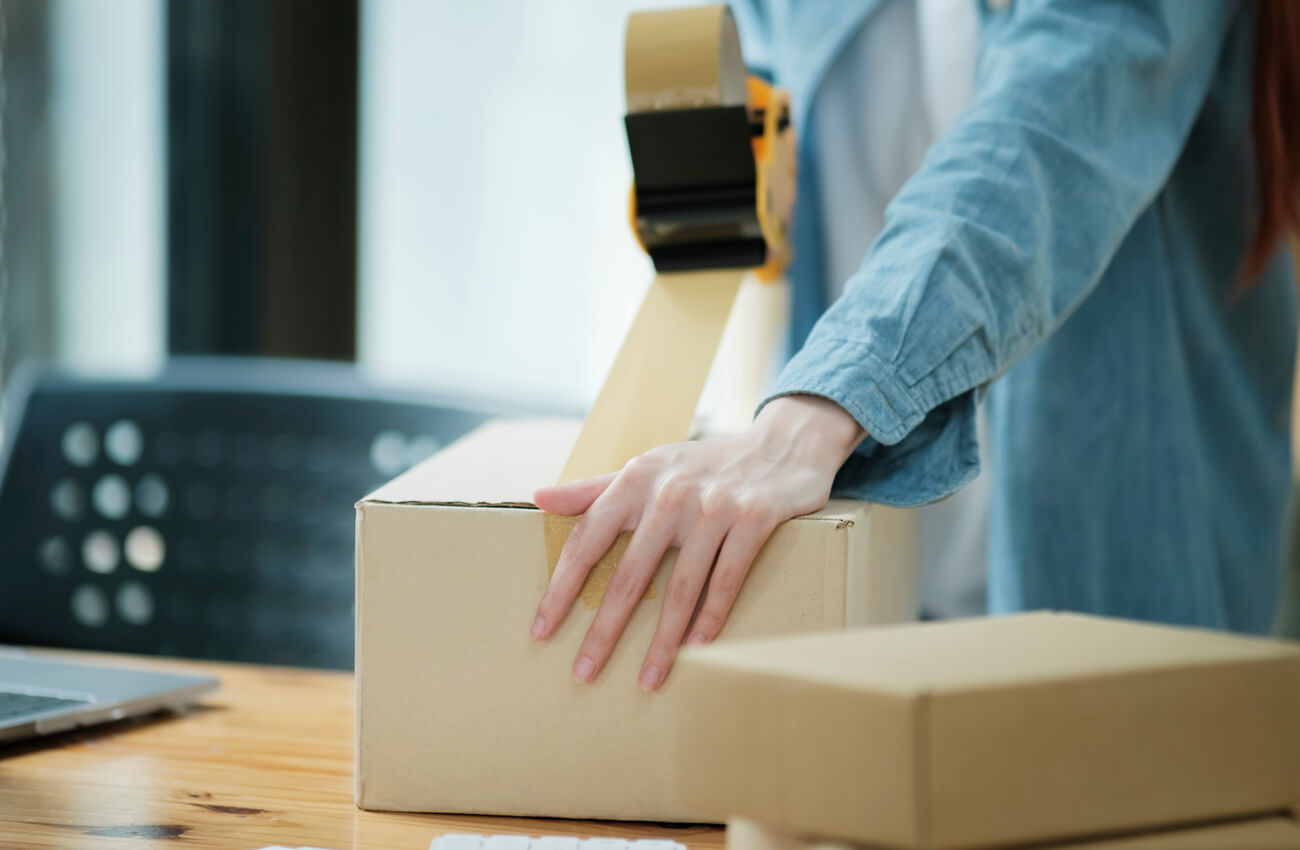
- Sealing matters, too. Swap out plastic tape for paper gum tape.
- Presentation is everything in a visually driven market. Replace laminated poly mailers with corrugated mailers and paper-based branding.
Partner with the right packaging supplier
The easiest and most cost-efficient way to make sustainable packaging solutions work for you is to join forces with material experts who can design fibre-based alternatives tailored to your exact SKUs and shipping requirements. At Dufaylite, we’ve helped brands reduce plastic use by over 80%, all while improving product protection and lowering costs.
The commercial case for ditching plastic
Reducing plastic isn’t just about doing the right thing. It makes smart business sense.
If you need any more convincing that ditching plastic packaging and opting for recycled and recyclable alternatives is your best bet, remember that doing so will:
- Lower your regulatory risk and help you stay one step ahead of bans, taxes, and audits
- Boost customer loyalty by helping you win repeat customers who care about sustainability
- Improve your operational efficiency, because lighter materials = lower shipping and storage costs
- Enhance your marketing value, helping you stand out with packaging that tells a credible, compelling story
- Secure listings with sustainability-conscious buyers and elevate your existing retail partnerships further

Looking beyond plastic and embracing circularity
Plastic’s reign is ending, and not just because of consumer sentiment. The economics, regulations, and climate realities no longer support it.
The future is circular: ie, reliant on materials that are specifically designed for reuse, recycling, and renewal.
Fibre-based packaging, including advanced solutions like paper honeycomb, are leading the way in this respect. They tick every box: they’re strong, they’re environmentally friendly, they’re fully recyclable, they won’t break the bank, and they boast the aesthetics needed to complement any brand.
Less backlash, more opportunity
Plastic packaging is still entrenched in our industries, so it isn’t going away overnight. But it’s safe to say that its dominance is over – and as a business, you need to rethink your packaging strategy now in order to:
- Future-proof your products
- Reduce waste and emissions
- Build deeper trust with customers
- Improve operational processes
- Optimise costs
- Become a sustainability leader in your space
Ready to ditch plastic in your packaging?
Explore our full range of sustainable packaging solutions or speak to our Design Lab for custom eco-packaging ideas for your product line.
