
5 reasons recyclable packaging is essential for sustainable brands


Recyclable packaging has become a must-have for any brand serious about sustainability. With customers demanding more responsible choices and legislation pushing harder on waste reduction, recyclable materials offer a smart and scalable way to respond.
But this isn’t just about doing the right thing, it’s about doing things better. Packaging that’s easy to recycle doesn’t just reduce environmental impact. It improves customer experience. It builds trust. And it fits neatly into the principles of a circular economy.
This blog outlines 5 reasons recyclable packaging is a smart choice for sustainable brands, using insights from the Two Sides Paper Packaging Factsheet (2023) and other trusted industry sources.
1. Customers Expect Packaging They Can Recycle
Sustainability now shapes purchasing decisions. According to the Two Sides Trend Tracker (2023), 61% of European consumers report that the environmental impact of packaging influences their shopping decisions. More than 75% are willing to pay extra for products in sustainable packaging, and 49% highlight recyclability as a key factor in their decision. That means your packaging isn’t just part of your supply chain; it’s part of your brand message. If it’s recyclable, clear, and easy to dispose of, it becomes a reason to buy. If it’s confusing or ends up in the bin, it becomes a barrier. Recyclable packaging gives customers confidence. It lets them engage with your values and helps them make better decisions at home. Brands that offer straightforward, kerbside recycling compatible solutions create a stronger connection with their audiences and develop a cleaner reputation.2. Paper-based packaging outperforms plastic in real-world recycling
Recyclability doesn’t just depend on what’s possible; it depends on what’s practical. Some packaging is technically recyclable but rarely recycled due to system limitations, contamination, or lack of infrastructure.
Here in the UK – and in many regions across Europe where recycling isn’t a political priority – there’s often confusion around what kinds of household waste can actually be recycled, too. Recycling facilities vary by location, and mixed messages from local authorities (or no messages at all) often leave residents guessing, and despite their best intentions, they are all too likely to abandon their recycling efforts altogether.
Paper-based packaging, however, works at scale – and, crucially, people know where to put it!
In 2021, the EU’s recycling rate for paper packaging reached 83%, far ahead of plastic at 41%, metal at 75%, and glass at 74% (Eurostat, 2021). That’s because paper is widely understood, widely accepted, and supported by strong recycling systems across Europe.
In fact, 95% of the fibre used to produce containerboard in Europe comes from recycled paper (CEPI, 2023). That’s a system that works and keeps materials flowing.
When you choose sustainable paper packaging solutions, you tap into this efficiency. You make life easier for consumers, and you help close the loop on material use. For more on this, explore our full paper packaging blog.
3. Simpler materials make recycling easier
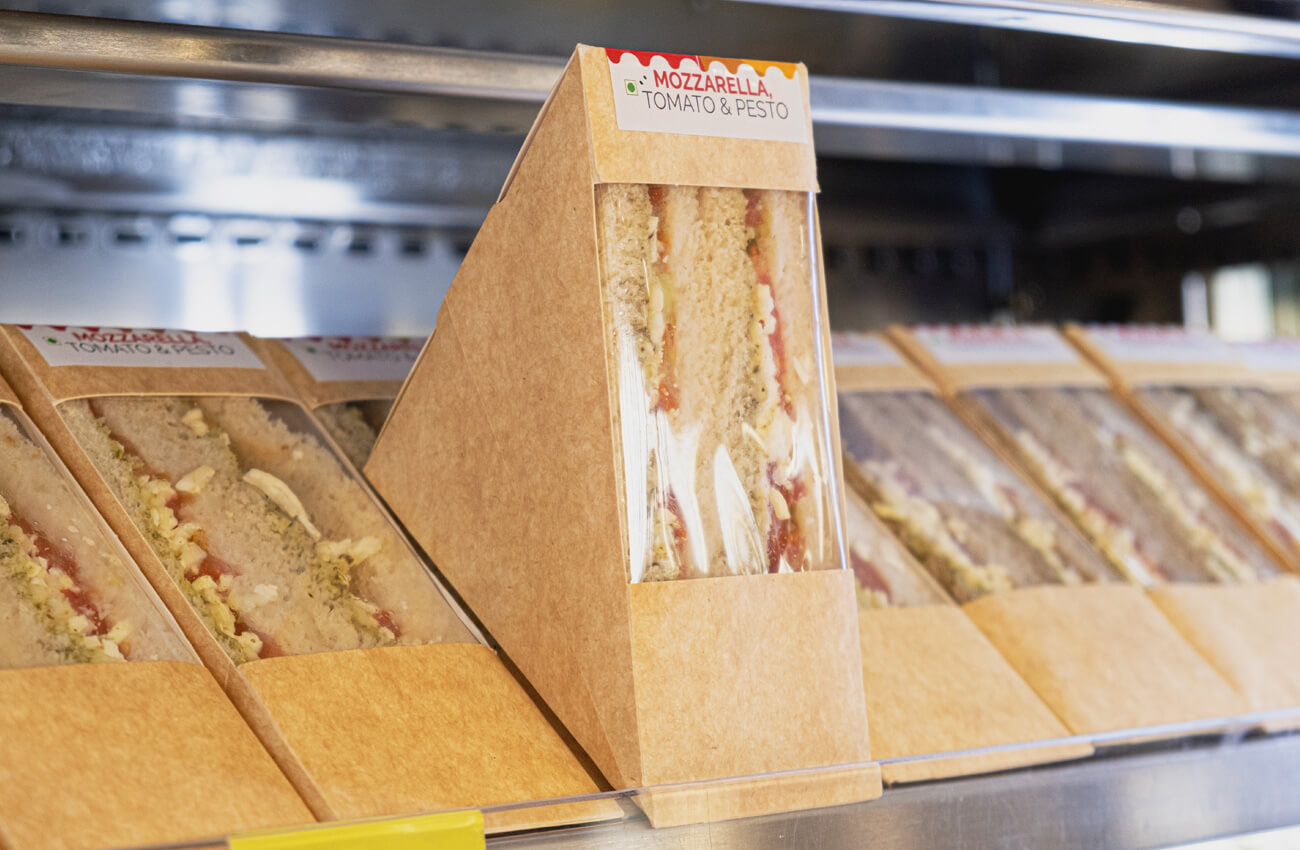
Design matters. If your packaging is made of bonded materials like plastic-coated card sleeves or foil-lined pouches, it’s much harder to recycle. Even small components, such as plastic windows or foam inserts, can render an otherwise good design unrecyclable.
That’s where mono-material packaging comes in. By using one material throughout your packaging strategy, you reduce sorting issues and eliminate confusion.
Paper formats like corrugated cardboard, carton board, and paper honeycomb are ideal. They’re robust, protective, and fully recyclable, making them the go-to eco-friendly choice for furniture packaging, electronics packaging, and other high-value items that require strength without the plastic.
Whether you’re shipping a delicate piece of tech or a bulky household item, choosing a format that your customer can easily recycle removes friction and increases your environmental credibility.
4. Recyclable packaging powers the circular economy
A significant aspect of sustainability is considering the implications beyond the initial use. Every box, sleeve, or insert made from recyclable material can have another life, and that’s where the real impact lies.
According to Pro Carton (2021), paper fibres can be recycled 3.5 times on average, and up to 25 times in lab settings. That means your packaging isn’t just single-use, it’s part of a regenerative cycle that supports the planet.
Organisations like 4evergreen are helping the industry push that further, aiming for a 90% recycling rate for fibre-based packaging by 2030. And the systems are already in place to get there.
By integrating recyclable options into your product range, like transit packaging that’s both strong and circular, you build sustainability into your core operations, not just your marketing plan.

5. Regulation is changing – and recyclability helps you stay ahead
Fuelled by changing attitudes towards climate impact, greater awareness of the plastic pollution crisis, and growing public pressure for reform, governments across Europe are stepping up their efforts to address packaging waste. Several pieces of legislation have been introduced across the EU in recent years to help member states transition away from a ‘make-take-dispose’ mentality and adopt a more circular model, as well as ambitious targets for plastic waste reduction, including the Packaging and Packaging Waste Regulation (PPWR), which aims to make all packaging recyclable or reusable by 2030. The UK’s Plastic Packaging Tax, which applies to any packaging with less than 30% recycled content, is another example of regulatory change in action. It’s already changing buying behaviour and driving a move away from hard-to-recycle materials. Even more impactful is the rollout of Extended Producer Responsibility (EPR), which will make producers financially responsible for managing their packaging waste. As waste generators, their responsibilities cover everything from reporting recyclability data to budgeting for and covering their own collection and disposal costs. Recyclable packaging helps you avoid these fees, which can truly begin to stack up as your operations evolve and your company grows. Eco-friendlier packaging also simplifies your data reporting and enhances your performance in sustainability frameworks, such as ESG and B Corp. And because materials like paper honeycomb are UK-made and recyclable through kerbside collection, they offer a local, low-impact way to meet today’s much more stringent compliance targets.What makes packaging truly recyclable?
There’s a difference between claiming recyclability and delivering it. Here’s what to look for in packaging that supports real-world recycling success:- Made from a single recyclable material (aka mono-material packaging)
- Accepted in kerbside collection schemes
- Free from foil or plastic linings
- Printed using water-based inks and adhesives
- Clearly labelled for easy customer disposal
Following these principles when choosing the right kind of recyclable packaging for your business will ensure your materials are much less likely to end up in landfill.
Why paper-based packaging beats compostable and plastic formats?
Compostable materials often sound great on the surface. But in practice, they rely on industrial composting infrastructure that most consumers don’t have access to. If they enter the recycling stream, they can contaminate it, making the whole load harder to process. Plastic packaging faces similar challenges. Multi-layered plastics are particularly hard to sort and process. Even supposedly “recyclable” plastics often fail to be recycled because they’re too small, too complex, or too contaminated. Paper-based packaging, on the other hand, is trusted, understood, and compatible with existing systems. It’s used successfully in applications ranging from white goods packaging to luxury gifting, and in each case, it protects both the product and the planet. With options like paper honeycomb, you get strength, cushioning, and structural support – without the complications of foam or plastic. And when it’s done its job, your customer can drop it straight into the recycling bin. No confusion, no compromise.Recyclability across the supply chain
To truly reduce packaging waste, recyclability needs to be considered at every level: from designing the product and packing it at scale to shipping it in transit and transferring it from the pallet. That’s why scalable, fully recyclable formats need to be incorporated into transit packaging wherever possible. These systems aren’t just about sustainability; they reduce costs, simplify operations, and support your customers’ sustainability goals, too. Whether you’re shipping flat-packed furniture, high-spec electronics, or bulky appliances, recyclable packaging ensures every part of the journey is aligned with your brand’s values.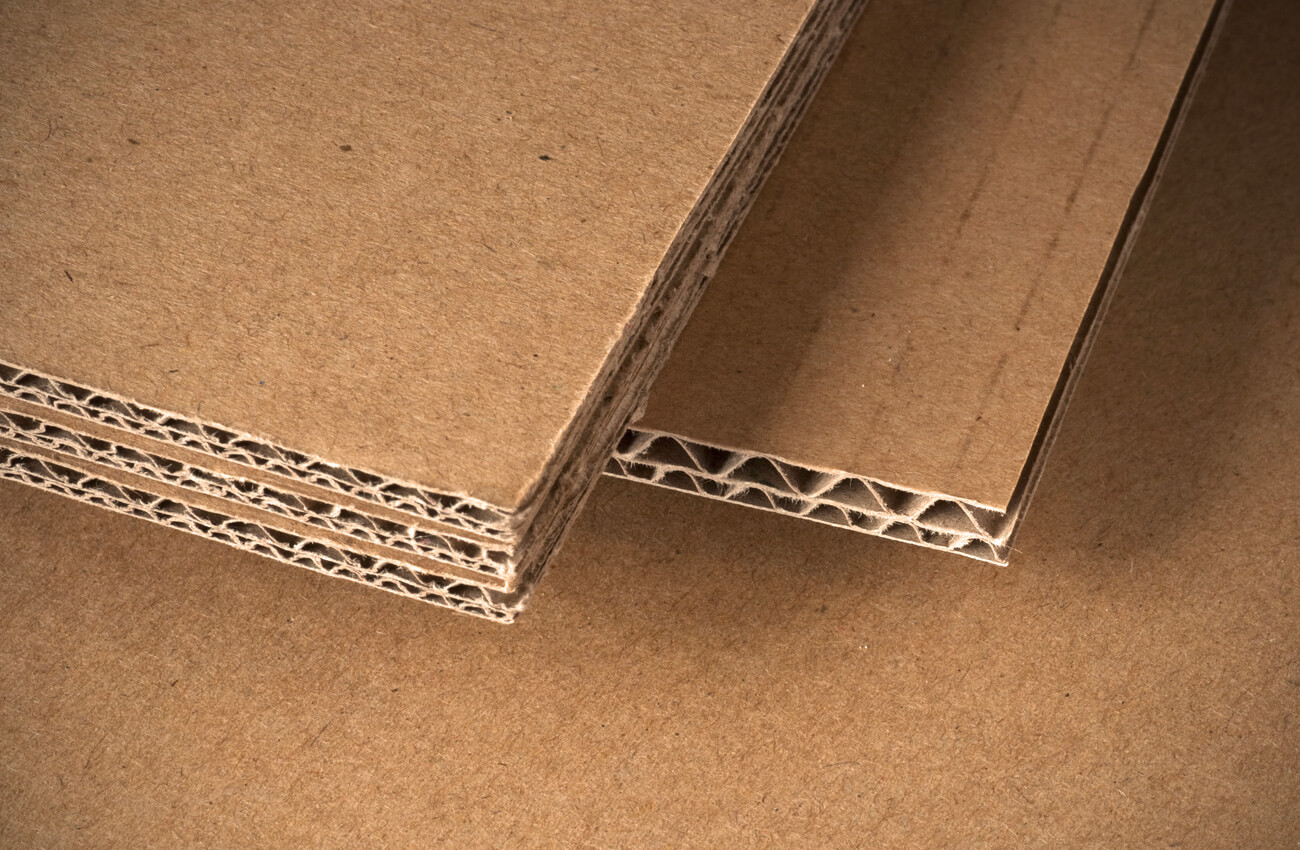
A future-proof packaging strategy
Choosing recyclable packaging isn’t just about keeping up – it’s about leading. Making eco-friendlier choices will support customer trust, protect your brand, and help you meet regulations and reduce waste. And when done right, it adds performance and value across the entire supply chain. By investing in solutions like paper honeycomb, corrugated card, and other paper-based systems, you’re not just making packaging more sustainable. You’re making your business more resilient, responsive, and relevant. Find out how Dufaylite can support your move into smarter, more sustainable packaging practices. Contact us today for more information on our paper honeycomb and honeycomb board solutions.- Two Sides, Paper Packaging Facts Booklet, 2023
- Two Sides Trend Tracker, 2023
- CEPI Key Statistics, 2023
- Eurostat, Recycling Rate of Packaging Waste, 2021
- Pro Carton, Cartonboard Recycling and Reusability, 2021
- 4evergreen Forum, Recyclability Evaluation Protocol, 2023
- UK Government, Plastic Packaging Tax Guidance, 2022
