
5 eco-friendly construction methods that have been embraced by the building industry

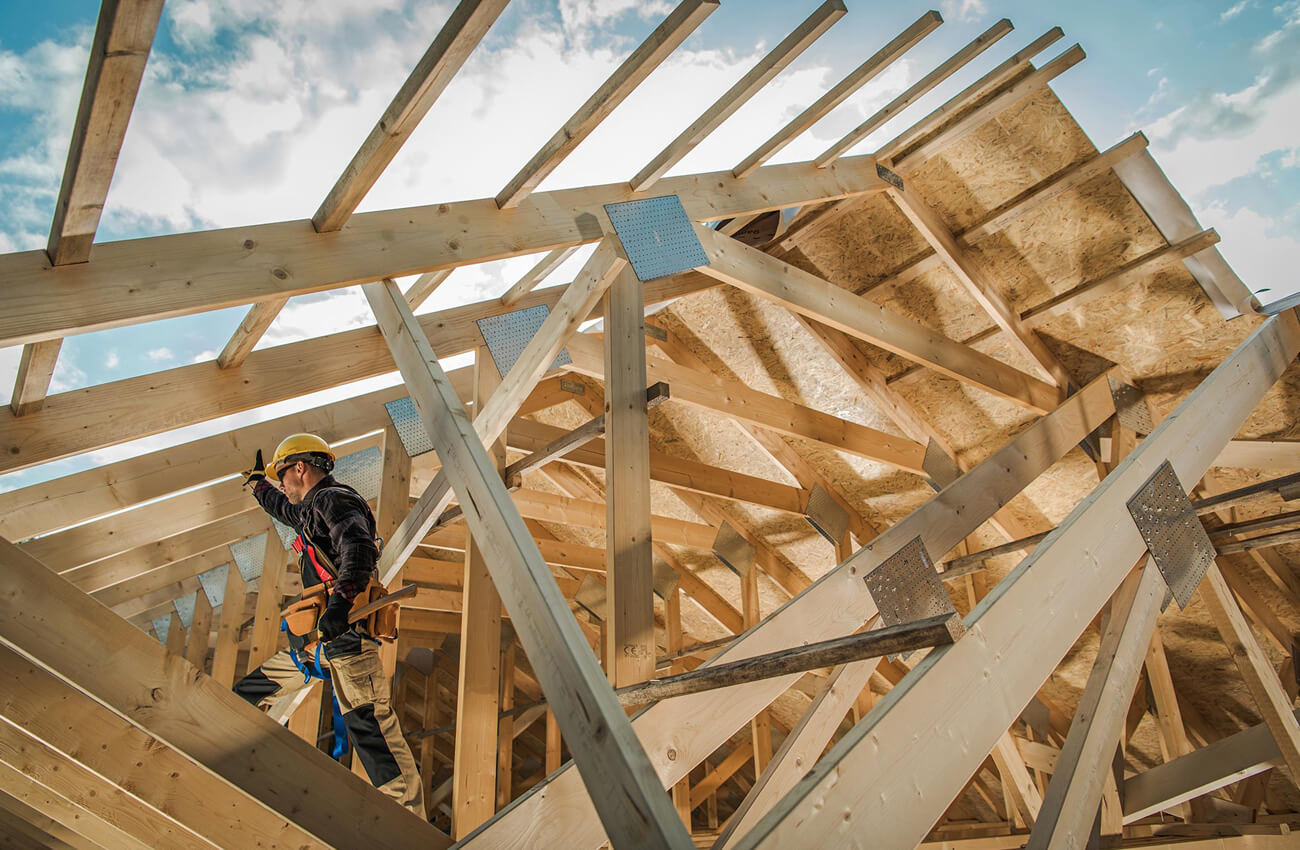
How is the construction sector working towards more sustainable building practices?
The global construction space, long criticised for its environmental footprint, is undergoing a profound transformation.
An area that once depended on high-emission machinery, non-renewable resources, and dumping materials in landfills is now pivoting towards much more sustainable ways of working. The shift isn’t merely about guilt-driven greenwashing, or offsetting carbon emissions by planting trees (which is a step in the right direction but only solves a small part of the problem). It’s about completely reimagining how we design, build, and inhabit our spaces for an eco-friendlier future.
In recent years, forward-thinking developers and architects have been embracing more environmentally conscious ideas that brilliantly balance performance, cost, and ecological impact. Here are five stand-out eco-friendly construction methods that have gained significant traction across the building industry.
1. Sustainable materials and smart material use
One of the most significant changes in construction has been the reassessment of the materials used to build buildings. Historically, materials like asbestos, once valued for their durability and fire resistance, have proven to be devastating to human health. But today’s sustainable construction movement is about leveraging both time-tested organic materials and innovative, low-impact alternatives.
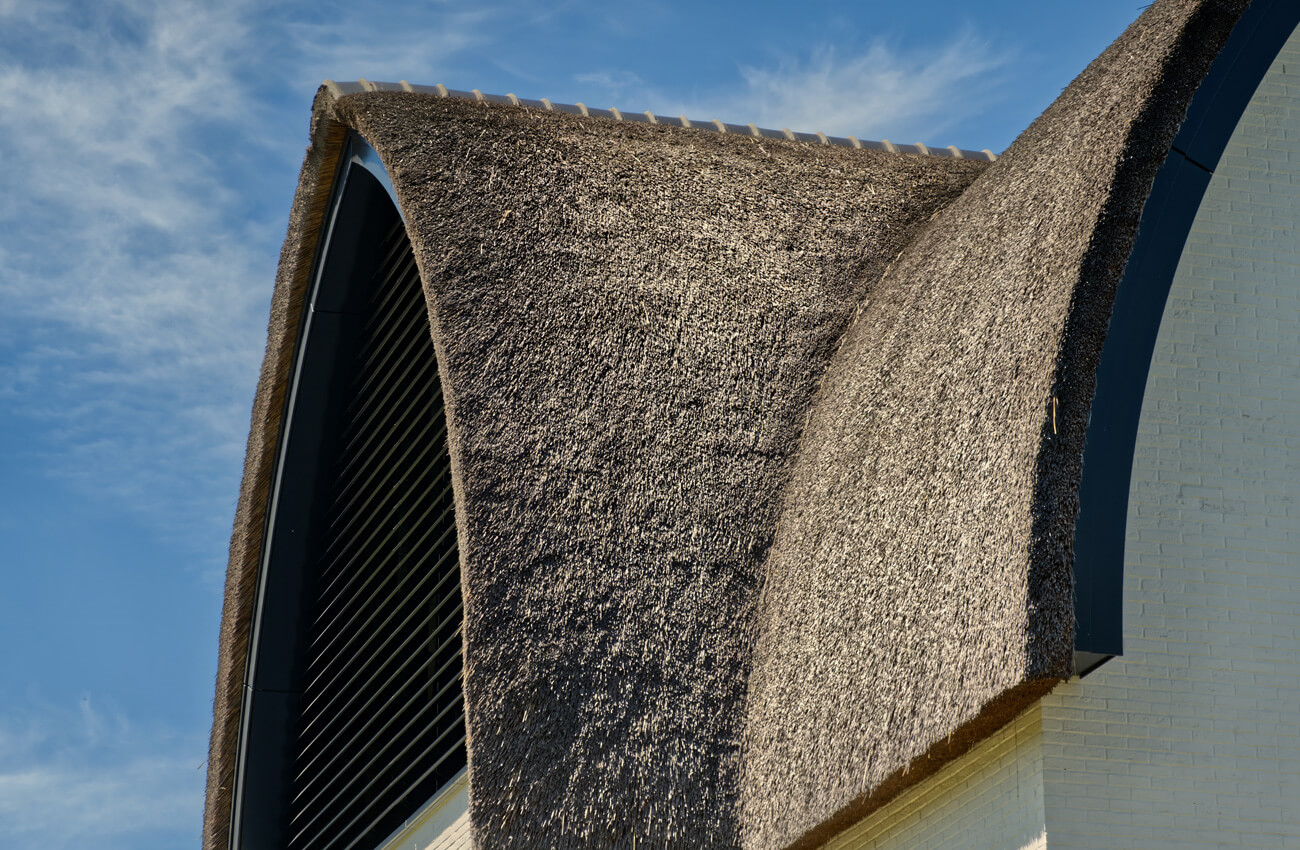
Traditional, organic materials like timber, thatch, and earthen floors have stood the test of time. Properly maintained, these materials can be exceptionally durable. Timber-framed buildings have stood the test of time, and while they require periodic maintenance, thatched roofs offer excellent insulation with minimal environmental impact.
Sustainability isn’t only about the source of a material. It’s about longevity and reuse, because if you have to rebuild something in a few years, you’re doubling back on any of the benefits of using sustainable products in the first place. Recycled and recyclable materials are now becoming the industry standard. For instance, reclaimed wood and reused brick not only reduce the carbon footprint of new construction but also add character and historical continuity to buildings. Cities like Portland in the USA even mandate the deconstruction (rather than demolition) of old buildings, allowing for the effective reuse of much of their materials.
An innovation that is quickly gaining traction in the building industry is Clayboard, an environmentally friendly void former used in foundation construction with incredible sustainability benefits. Made from recycled paper honeycomb and recyclable polypropylene, Clayboard offers the possibility to recycle offcut material rather than using polystyrene alternatives.

2. Biomimetic and earth-integrated design
It turns out nature has been building sustainably for millennia, and modern architects are finally catching on to the eco-friendly construction lessons it can teach us. Biomimicry, which involves designing structures by drawing inspiration from the natural order of things, continues to shape the future of green architecture.
One famous example is the Eastgate Centre in Zimbabwe. Its ventilation system mimics the structure of termite mounds to regulate temperature without the need for traditional HVAC systems. This has led to significant energy savings and demonstrated how nature’s own engineering concepts can outclass modern mechanical systems in some contexts.
Another rising trend is earth-integrated construction, which embeds buildings into the ground or partially covers them with earth. These structures benefit from natural insulation, reduced temperature fluctuations, and minimal visual or environmental disruption. They’re particularly effective in colder climates, whereas as much heat as possible needs to be retained.
Additionally, green roofs and living walls are becoming standard features in new developments. These features not only insulate buildings but also provide habitats for wildlife, filter air pollutants, and reduce stormwater runoff. They are practical, beautiful, and, crucially, they coexist with their surrounding environment instead of dominating it.
3. Optimised energy use and onsite renewables
It’s not just about what buildings are made of; it’s how they function. A crucial aspect of eco-friendly construction is ensuring a building consumes as little energy as possible during its lifetime.
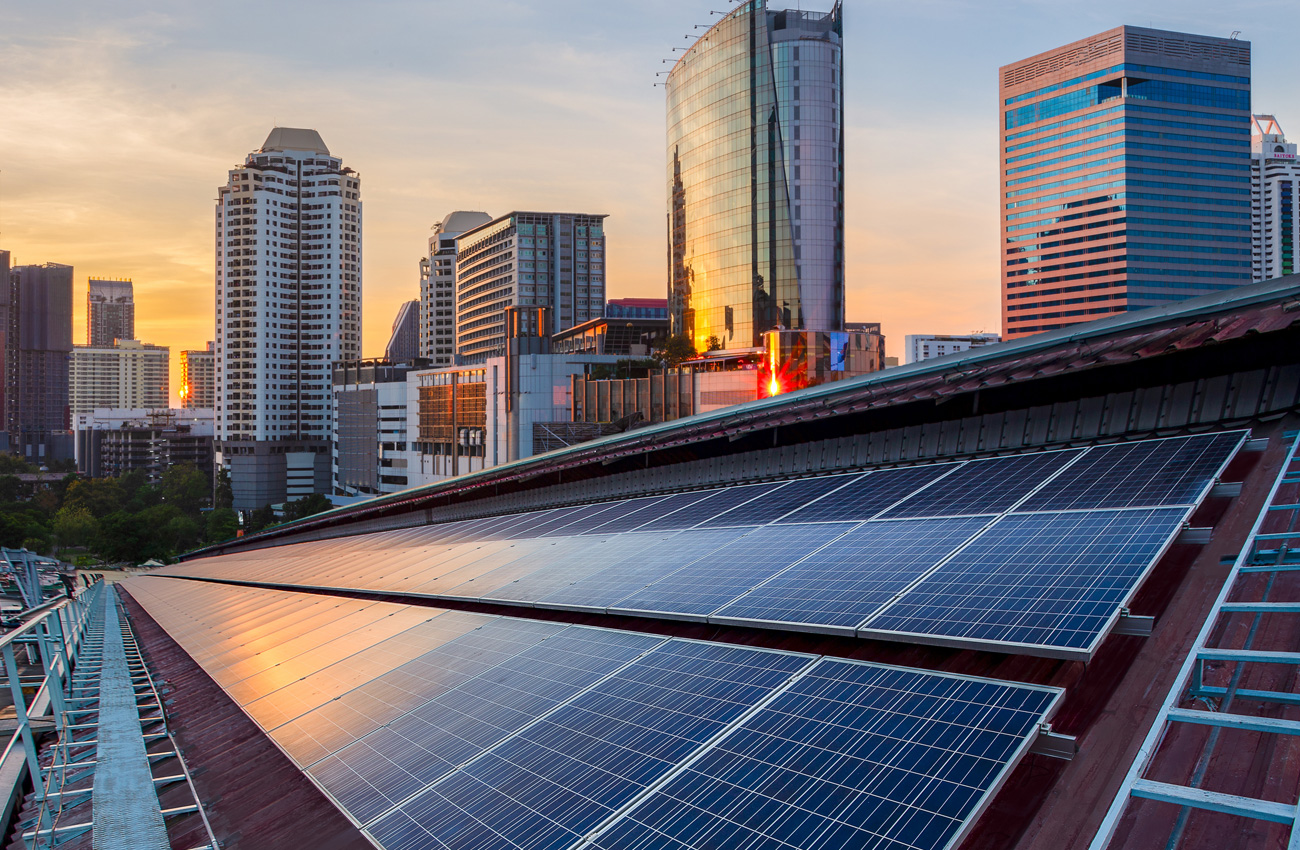
Modern architecture is increasingly designed around passive solar design, strategic insulation, and efficient spatial layouts that reduce reliance on things like artificial heating, cooling, and lighting. Many new buildings also incorporate photovoltaic solar panels, either as retrofits or as an integral part of the original design. In fact, solar installations are becoming more affordable and accessible than ever. A basic setup can power essential tools or provide supplementary energy to a home or office.
Water management has also improved, with greywater recycling systems and rainwater harvesting integrated into the design of many green buildings as standard. These systems not only conserve water but also reduce the burden on municipal infrastructure.
One especially encouraging trend is the hybridisation of construction equipment. Diesel-powered tools and vehicles are a major contributor to air pollution and CO2 emissions. Some companies are now adopting hybrid or fully electric machinery, and individual tradespeople are choosing to power their tools with portable solar setups.
4. Pollution reduction through modern techniques
Human construction methods have historically been a significant contributor to air, water, soil, and noise pollution – but this is changing, thanks to a combination of increasing regulation and rapid innovation.
For instance, dust and particle pollution now accounts for nearly 30% of London’s PM10 emissions, yet better dust suppression methods, such as water spray systems and vacuum-equipped tools, are increasingly being used on-site. Air filtration and on-site containment zones are being used to limit any airborne contaminants further.
Water pollution is being tackled by improving site drainage and filtration, particularly during the groundwork phase. Technologies that control runoff, prevent soil erosion, and isolate hazardous materials are now more commonly adopted.
The reduction of construction waste is another area of progress. With better planning tools, especially 3D modelling software, architects and project managers can estimate materials more accurately, drastically reducing overordering and offcuts. Again, materials like Clayboard demonstrate how even foundational construction elements, which are primarily designed to protect against ground heave, can actively help avoid landfill contributions and reduce unnecessary environmental harm.
Find out more about how the building industry is working to cut emissions with more sustainable construction solutions.

5. Environmentally conscious building lifecycles
An eco-friendly building doesn’t stop being green once it’s constructed. Builders need to consider the entire lifecycle – from design to demolition – and ask themselves whether they are truly adopting the most sustainable building practices available, or whether they could adjust their products and processes to achieve a greener result.
Long-term environmental thinking involves using materials that age well, can be easily maintained, and, when the time comes, can be deconstructed instead of demolished. The shift toward modular construction also supports this goal. Buildings made with modular components can be updated, replaced, or recycled far more easily than traditional monolithic structures.
This future-forward approach to eco-friendly construction also entails thinking critically about how a building integrates with its environment.
Can it support local biodiversity? Does it allow for greenbelt space or wildlife corridors? Will it promote healthy lifestyles for its occupants, with access to natural light, green views, and good air quality?
These are all critical questions that should form the cornerstone of the plans for any new build project.
What is holding builders back from embracing environmentally friendlier practices?
Too often, sustainability discussions end at energy ratings and recycled content. But eco-conscious builders think bigger: they consider human wellness, systemic impacts, and the kind of future we’re building for.
However, as exciting as it may seem, this approach presents several challenges. And the significant barrier to much of the above is cost.
Green methods, and especially those that are being adopted at scale, are often more expensive upfront. According to a feasibility study conducted by the UK GBC in 2020, office buildings with sustainable designs incur construction costs that are approximately 6.2% higher, and green home construction is even more expensive. Without widespread incentives, these costs can deter developers, especially when they can fall back on pre-approved conventional designs to meet tighter budget constraints.
Another issue is the disconnect between designers and builders. It might surprise you to learn that in the UK, only about 6% of new homes are designed by architects. Most developers rely on standard plans known to satisfy local planning authorities, creating a loop that resists innovation and prevents sustainable progress from being made.
What’s needed is a culture shift, where sustainable design becomes the standard, not the exception. This will involve increased collaboration between architects, developers, planners, and policymakers – and perhaps more critically, it will rely on consumers asking for greener buildings and communities, because, like in all industries, solutions follow demand.
What does the future look like for eco-friendly construction?
The construction industry has both the burden and the opportunity to drive meaningful environmental change. While it still faces obstacles – economic, logistical, and institutional – it has already begun to prove that eco-friendly construction is not just possible, but preferable. There’s a wide variety of products and methods available that can deliver exceptional results without the eco-guilt.
By embracing game-changing construction materials like Clayboard for ground heave solutions, designing for nature instead of against it, optimising for renewable energy use, and reducing pollution from the ground up, the industry is slowly but surely laying the literal and figurative foundation for a greener future.
We don’t all need to move into underground hobbit homes or solar-powered yurts to make a difference. We need to think smarter, design better, and build with the future in mind, and that’s precisely what we’re doing here at Dufaylite.
Learn more about our commitment to sustainability or get in touch for more information on our Clayboard ground heave solutions and other planet-first construction products.
