
Combatting pollution with sustainable construction solutions
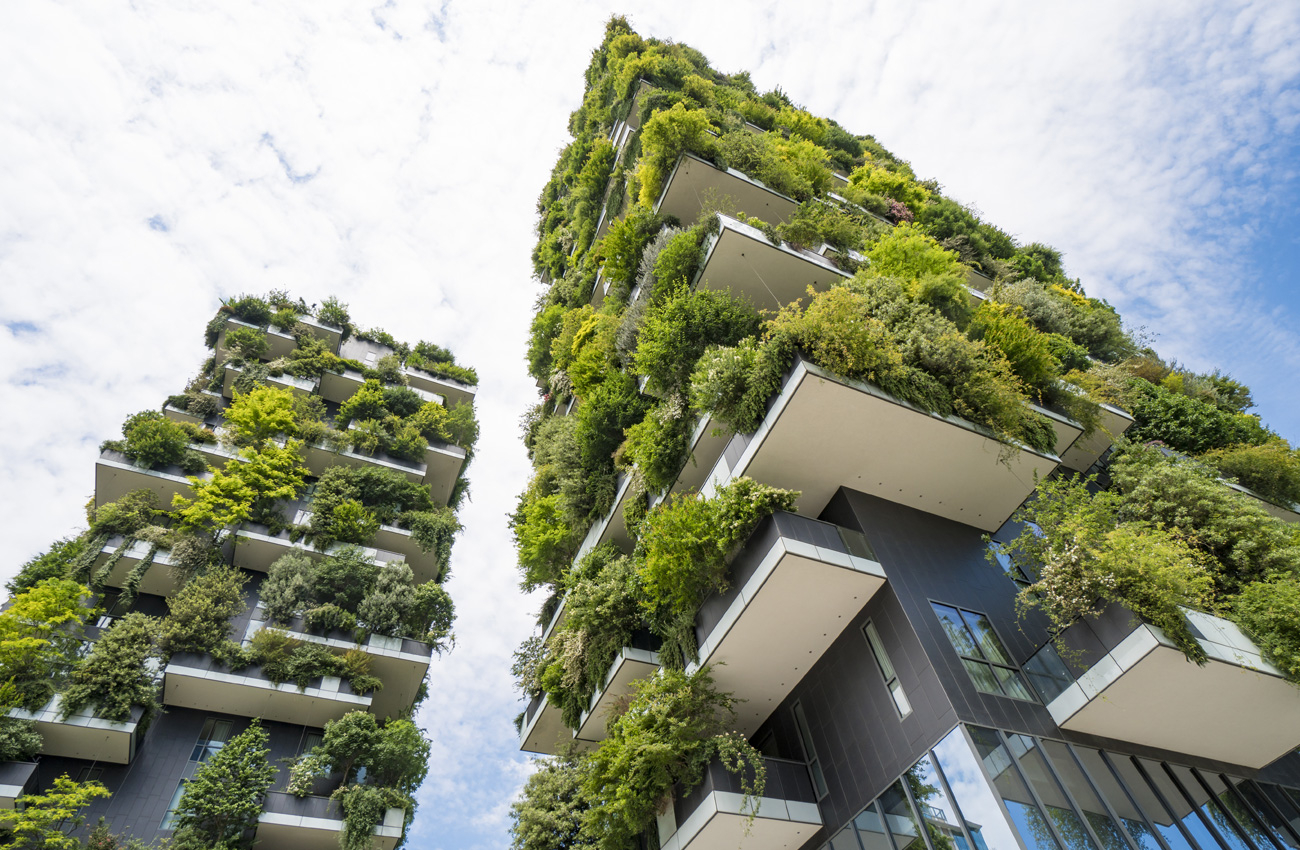
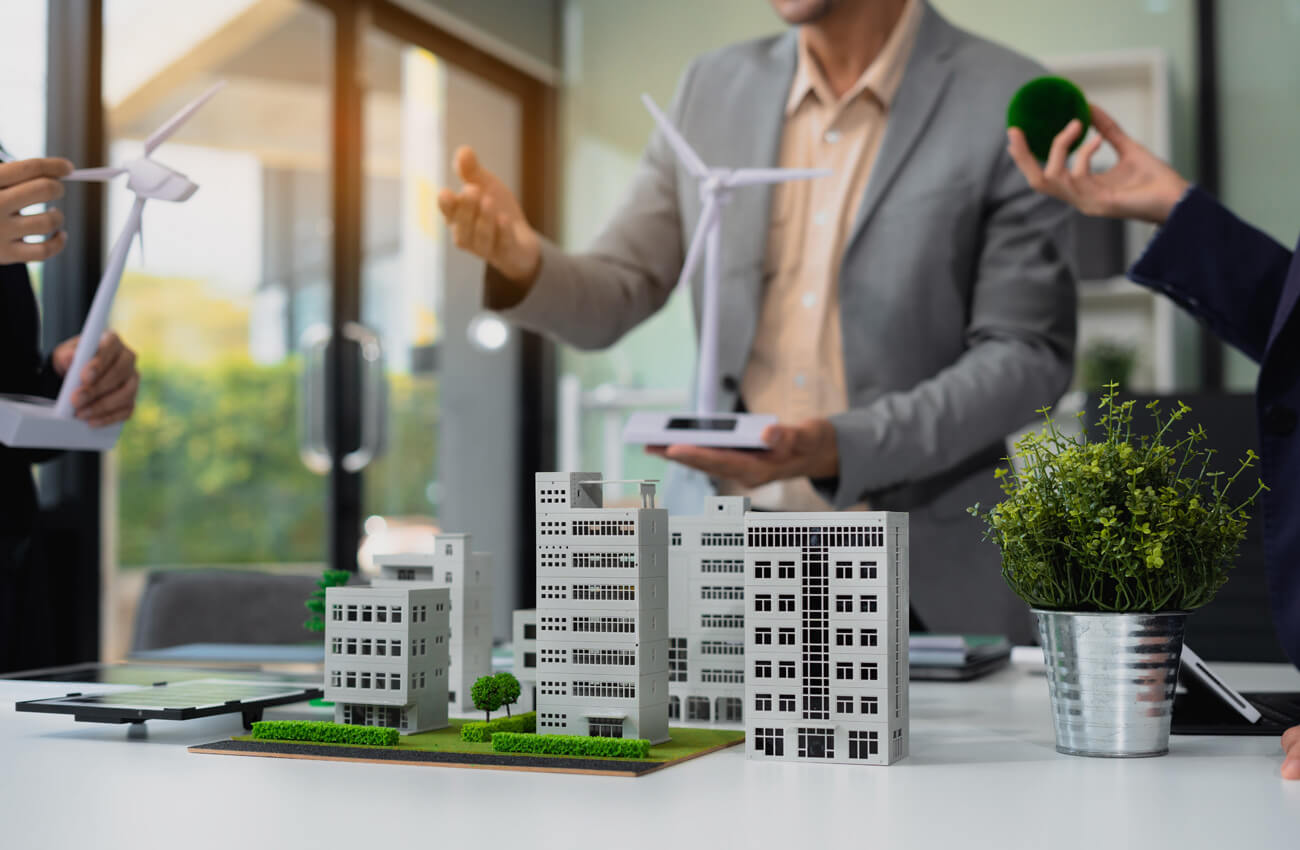
The products and methods that are lowering emissions and minimising the construction sector’s impact on the environment
The construction industry has a lot to answer for, on many levels.
It’s built the world we live in. From schools and homes to motorways and skyscrapers, construction is the bedrock upon which society functions. However, while this sector enables human progress, it’s also one of the most significant contributors to environmental degradation.
It will come as no surprise that environmental contamination from construction is widespread, deeply rooted, and growing in scale. Air, water, soil, and noise pollution from building activity are driving many of the ecological challenges we face today, so something needs to be done to counteract the negative effects of this work, and quickly.
Thankfully, sustainable construction is no longer a pipe dream. It’s a viable, increasingly adopted response to the sector’s environmental impact. Within the sustainable movement, specific innovations, including our Clayboard ground heave solutions, are demonstrating that it is indeed possible to balance performance, cost, and sustainability.
Let’s explore how sustainable construction is reshaping the industry and how advanced solutions, such as our Clayboard products, are helping to combat pollution at its source.

What’s the pollution footprint of the construction industry?
Construction pollution spans several categories, each with its own unique challenges and consequences.
Air pollution
Construction is a significant source of airborne contaminants. In fact, it accounts for 30% of large particle pollution in London and 18% of the UK’s PM10 emissions. These particles, which include (amongst other things) fine dust, cement residues, and insulation fibres, can penetrate the lungs, exacerbate respiratory and cardiovascular diseases, and contribute to poor urban air quality.
(You only need to read the latest stats on asbestos-related deaths in the UK to understand how much of an impact one single dangerous building material can have on human health.)
Additionally, the heavy machinery used in construction typically runs on diesel, which emits vast amounts of CO₂ and nitrogen dioxide (NO₂), both of which are major contributors to climate change and urban smog.
Water and soil contamination
Construction runoff introduces chemicals, particulate matter, plastics, and other pollutants into local water systems. This damages aquatic ecosystems, alters soil composition, and disrupts groundwater supplies. The contamination of surface water is not just an environmental problem; it can also threaten drinking water infrastructure and expose populations to many nasty pollutants.
Noise pollution
Though less visible, noise from heavy machinery and construction activity has lasting impacts. Prolonged exposure can lead to stress, sleep disturbances, increased blood pressure, and even hearing loss. It also drives away wildlife, affecting biodiversity and disrupting local ecosystems just as much as the construction work itself.
Material waste
Construction and demolition are responsible for significant volumes of landfill waste. From paint tubs and sealant tubes to concrete debris and broken tools, most of the products used during the construction process eventually end up on the ground, and many of these materials are non-biodegradable or toxic, further contributing to long-term land and water pollution.
Landscaping scars
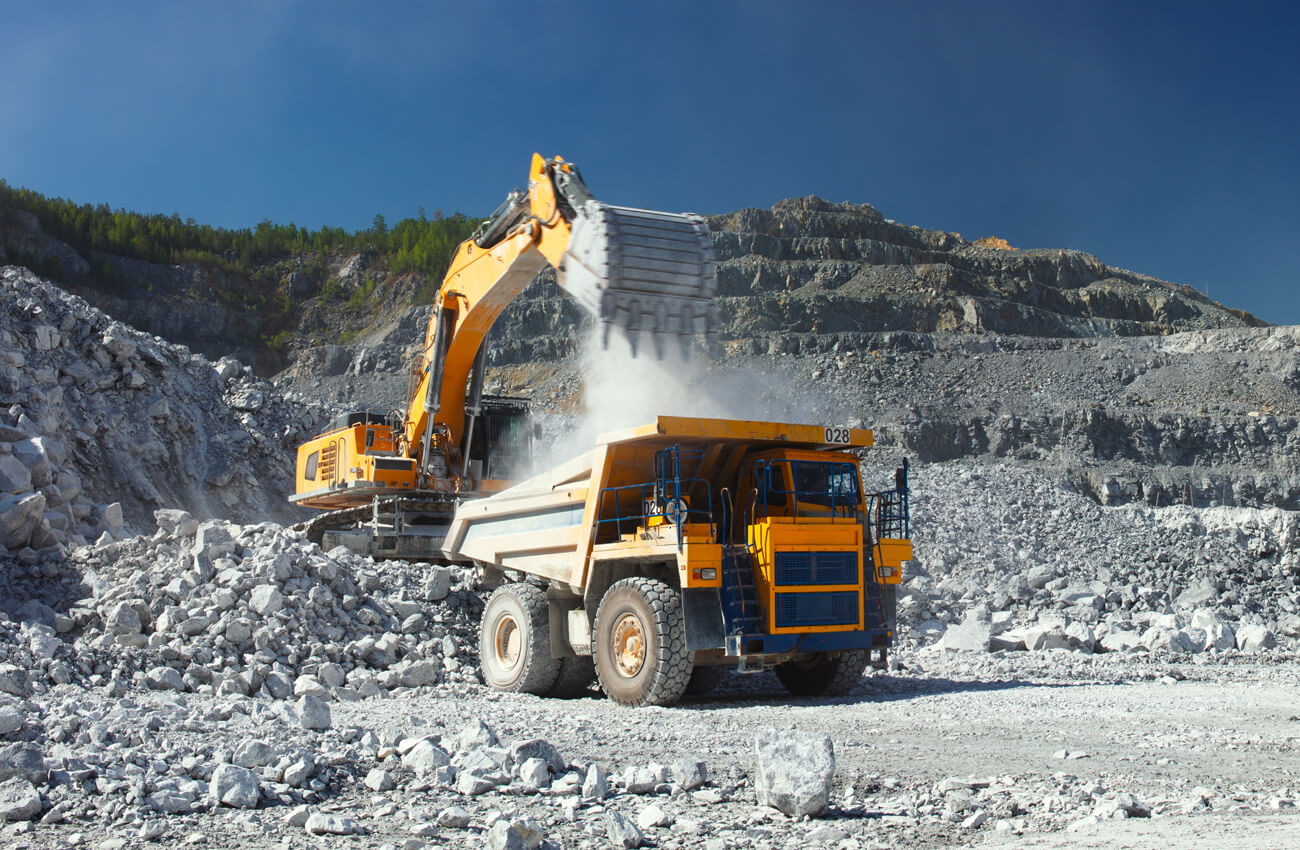
Quarrying for stone, sand, and minerals permanently alters the landscape and local environment. While these resources are vital, excessive extraction without environmental consideration leads to erosion, habitat destruction, and irreversible damage to the earth.
How do we mitigate the vast impact the construction sector is having on our planet?
The answer lies in sustainable construction: a building philosophy and practice that’s focused on reducing environmental impact through more innovative design, better materials, and lower energy consumption. Sustainable construction addresses pollution on multiple fronts.
Reducing emissions and airborne pollutants:
- Minimising runoff and water contamination
- Limiting landfill waste
- Preserving biodiversity and ecosystems
- Creating buildings that last longer and use fewer resources
Clayboard: a sustainable foundation for the future
What is Clayboard?
Clayboard is an innovative, eco-friendly void former used in the construction of concrete foundation slabs. Designed to combat ground heave – a phenomenon where soil expands due to changes in moisture – Clayboard provides a temporary structure that supports concrete during pouring and subsequently yields without resistance, dissipating the uplift forces of the swelling clay.
This addresses a critical structural issue in a sustainable manner, while providing numerous environmental benefits.
Why is Clayboard a game changer for environmentally friendly construction?
It reduces landfill waste
Clayboard is slimmer than polystyrene alternatives for each void depth. This means reducing the amount of spoil dug out typically by 30% and if that’s destined for landfill, reducing the associated duty by a similar amount.
Unlike traditional polystyrene void formers, Clayboard’s honeycomb centre is made from recycled cardboard with recyclable polypropylene outer facings. This makes recycling offcuts much easier compared to polystyrene materials.
It reduces steel use
The compressive strength of Clayboard can be ‘switched off’ after the concrete has achieved self-supporting strength, yielding under a nominal 2-3kN/m2. This means the slab does not need to be tied down with as much steel as it would if using polystyrene void formers, which have a narrower safe load-fail load window.
It lowers emissions in logistics
Clayboard is 30% thinner and significantly lighter than polystyrene equivalents. This not only reduces the fuel required for transportation but also simplifies on-site handling, reducing the use of diesel-powered machinery and associated emissions.
It’s adaptable and scalable
Whether for a small housing project or a large commercial complex, Clayboard is designed to adapt to diverse, environmentally friendly construction needs and provide innovative ground heave solutions. It has already been successfully used in high-profile developments, including complex infrastructure above subway systems, where vibration isolation and load control were critical.

What other sustainable construction practices are helping to reduce the amount of pollution created by building works?
While Clayboard addresses a critical issue in foundation construction, it’s part of a broader suite of sustainable practices that are gaining momentum across the industry. Here’s what eco-conscious companies are typically focusing on at the moment:
Material efficiency and recycling
Today’s sustainable sites are increasingly employing recycled steel, reclaimed timber, and low-carbon concrete alternatives. In some cases, buildings are being designed for easy disassembly, ensuring that many materials can be reused instead of being sent straight to landfill.
Energy-optimised design
Passive design strategies, such as natural ventilation, optimal window placement, and green roofs, help reduce a building’s energy demands. When developed to accommodate solar panels and battery storage, these buildings can generate their own renewable power, thereby decreasing their reliance on fossil-fuel powered grids.
Water management systems
From rainwater harvesting to greywater recycling, sustainable buildings are increasingly built to conserve and reuse water. This not only reduces utility costs but also minimises wastewater pollution and strain on municipal systems.
Noise and air quality control
Sustainable construction projects now often incorporate noise barriers, sound insulation materials, and dust suppression systems to minimise pollution during both construction and operation. These help to reduce stress on nearby communities and preserve air quality for workers and residents.
What is preventing the construction industry from investing more heavily in sustainable solutions?
Despite the clear benefits, sustainable construction is not yet the default. Why?
Well, cost perception remains a significant hurdle. Although many sustainable solutions lead to long-term savings, their upfront costs can be higher, particularly for small developers or budget-constrained projects. However, void former products like Clayboard demonstrate that sustainability and cost efficiency can coexist. We know for certain that its ease of use, reduced transport costs, and low landfill impact offer both financial and environmental returns.
Another barrier to environmentally friendly construction is institutional inertia. Many builders rely on tried-and-tested (but chronically outdated) methods that meet regulatory requirements, even if greener alternatives exist. Overcoming this inertia requires a cultural shift in the industry, alongside updated planning permissions, building codes, and procurement standards that favour sustainable solutions.
What are the benefits of adopting more sustainable construction methods?
Sustainable construction isn’t just about reducing harm. It’s about creating value, resilience, and a better quality of life. The shift toward sustainability offers enormous opportunities, including:
- Cleaner air and water
- Healthier urban environments
- Greater material efficiency
- Reduced operational costs
- Stronger, more adaptable infrastructure
Who will be responsible for reducing pollution in the construction sector?
Minimising pollution from construction is a complex, multi-faceted issue – but it’s not insurmountable. As the industry advances, every developer, architect, and contractor will play a crucial role.
Whether it’s choosing greener materials, pushing for energy-efficient designs, or adopting biodegradable innovations, building professionals at every link in the chain will need to do their part to work sustainably and make greener building decisions.
Will the construction industry ever reach net zero?
The answer will ultimately depend on a combination of technological advancements, improved regulations, increased economic pressures, and a significant cultural shift.
There’s a lot to be positive about:
- Low-carbon concrete, cross-laminated timber, recycled steel, and biodegradable insulation are already changing how we build.
- Products like our ground heave solution, Clayboard, show how sustainability can be designed into core structural systems as a void former.
- New carbon capture technologies and AI-driven design are helping reduce emissions before and during construction.
- Buildings are being designed with passive solar principles, smart energy systems, and integrated renewable energy sources.
- Lifecycle emissions from buildings can be significantly reduced with improved insulation, efficient HVAC systems, and on-site renewables such as solar and heat pumps.
- On the legislation front, governments are implementing carbon targets, green building codes, and net-zero commitments that are nudging the industry forward.
- Certifications like BREEAM, LEED, and ISO 14001 are becoming competitive advantages in tenders.
- Clients, especially large corporations and public-sector bodies, are increasingly requiring green credentials.
- Institutional investors are prioritising ESG performance, which includes decarbonising supply chains.
What’s holding back green building and low‑carbon development?
Green building and low‑carbon development are essential to reducing the construction industry’s environmental impact, but progress is being held back by cost barriers, supply limitations, and outdated practices. From carbon‑intensive materials to the slow adoption of circular construction, several obstacles are stopping sustainable methods from becoming mainstream.
- Much of construction’s emissions come from materials before a building is even in use (especially cement, steel, and glass. These are hard-to-decarbonise industries. Low-carbon alternatives exist but aren’t yet affordable or widely available at scale.
- Diesel-powered diggers, cranes, trucks, and generators are still the norm, and electrifying these is difficult due to power demands and logistical limitations.
- The industry still generates massive amounts of landfill waste, particularly from over-ordering and demolition.
- Reuse and circular construction methods are growing, but they’re not yet mainstream.
- Many sustainable practices still incur higher upfront costs, even though they ultimately save money in the long term.
- Developers, especially in the speculative housing sector, often default to familiar, less expensive methods to meet minimum regulatory standards.
Small changes, big difference
The road to meaningfully reducing construction pollution will be a long one, but it’s reassuring to know that we’re already taking our first steps on the path to a more sustainable future.
Take a look at Dufaylite’s ground heave solutions to find out more about the practical, economical and environmental benefits of Clayboard and how it can support your sustainable construction project.
Interested in learning more about how companies in the construction space are levelling up their sustainability practices? Here are 5 eco-friendly construction methods that have been embraced by the building industry.
